Dr. Anthony Brown or Dr. Tony is the FTC Canada Medical Team Advisor and provides key leadership to the entire medical team. This includes advance trips into each country we visit as well as working with FTC Canada President Ken Dick to select the team members.
This short video is a recap of the past few days and a quick starter for Day 4.
Showing posts with label president. Show all posts
Showing posts with label president. Show all posts
Saturday, November 13, 2010


Thursday, November 11, 2010
Day Three: On Palencia

From Ken Dick, President, FTC Canada
It’s our third clinic day and we are now in the town of Palencia. We are not surprised at the numbers of people that we see in line, but we were a bit worried. In El Patrocinio, our arrival was met by a mere dozen people. People did continue to arrive and within the hour the line had grown to 150 patients. And they kept coming. At the end of the day nearly 1000 patients had been treated, nearly 150 being dental patients.
I am reminded of the school FTC Canada built in the region of Palencia two years ago. Mayor Beto is very pleased that we have returned with our medical and dental professionals.
We were greeted warmly by the community here and went to work as soon as we could in the morning. There are several new people on the team but that has not been a problem in any way. In fact on this our third day working together, there is a strong spirit of camaraderie. We are working together with the common goal of providing the most excellent primary medical and dental care we can.
Our blog will report on today’s activities. As I write this, I know it will tell you about the hundreds of happy people in Palencia who visited our clinic, received treatment and left with food, clothing and medicines. We are so grateful for the opporunity to be here.
Ken

Thursday, October 21, 2010
FIRST NATION BUNK BED PROGRAM
After several months of planning, I am pleased to report the First Nation Bunk Bed Program is launching. Here are some of the reasons why we have begun this good work.
Recent studies established that “living conditions for First Nations people rank 63rd in the world - comparable with developing countries - and are the root causes of poor health.” The Canadian Department of Indian and Northern Affairs has reported that “overcrowding, mould, and unsafe drinking water help spread communicable diseases at a rate 10 to 12 times higher than the national average. Over 40% of homes are considered inadequate shelter.” Living conditions in First Nations communities in Canada are comparable to many lesser-developed countries.
Since 2005, FTC Canada has been supporting First Nations children and families in Northern Ontario through the distribution of food and supplies and operating a summer day camp. It is a natural progression to consider other ways to help children in the North.

It is an established fact that a lack of proper sleep for children is detrimental to their development and health. Changes in sleeping habits can impair a child’s learning, memory and ability to concentrate. To try to address the problem of a serious shortage of beds we developed the First Nation Bunk Bed Program. This will go a long way to providing proper sleeping accommodation for many children living on First Nations reserves in Northern Ontario.
We are preparing to deliver 100 beds to two Northern Ontario reserves by the end of January 2011. Volunteers have already offered to go to the reserves to assist in assembling the beds.
The communities are excited about getting the beds. One mother stated how wonderful it would be to have all her children sleeping at the same time, in the same place, at the proper hour of the day. One Chief related how these beds will go a long way to help change the social dynamics of the community.
CLICK HERE to learn more about how to provide a bed to First Nation children.
Ken Dick, C.A.
President
Wednesday, October 6, 2010
FLYING TO GUATEMALA
Flying into Guatemala City through rain filled clouds reminded me of my previous visit almost three years ago. Exciting things have happened since then including the building of a new school, two wells have been drilled and our Medical-Dental Team provided care to thousands. Well, here we go again!
On November 6th our next Medical-Dental Team will leave Toronto for Guatemala City, Guatemala. Getting the 27 member team there along with what seems like “tons” of baggage is always interesting, but between the time we arrive at Toronto International (really early in the morning) and our arrival at Guatemala City, the bonding process will have begun. When we come to end of this mission, we shall all be good friends (we hope!).
At the end of September, Dr. Anthony Brown (FTC Medical Advisor) and I spent 3 days visiting communities outside Guatemala City. We met with local community leaders, all of us enduring what seemed like constant rainfall. Our capable Director for Central America, Efrain de los Rios, drove us up to the side of a volcano to a community where there had been major damage caused by a violent eruption last May. Black ash still covered the roads and much of the landscape. Our plan is to take the team into several communities in that mountainous area.
Palencia is a region of more than 55,000 people. This is familiar territory for Dr. Brown and me. Mayor Beto, always an enthusiastic host was once again gracious in his welcome. He smiled broadly when we told him we planned to bring the medical team back into Palencia in November.
It was a very productive few days, traveling the deeply rutted, muddy roads of rural Guatemala. Our goodbyes to Efrain and the amazing Central America Feed The Children staff were hopeful; it wouldn't be long until we were back together again.

Ken Dick, C.A.
President
PS You can follow the team here at this blog site as there will be daily updates (internet permitting)
PSS You can support the Medical-Dental program by clicking here.
PS You can follow the team here at this blog site as there will be daily updates (internet permitting)
PSS You can support the Medical-Dental program by clicking here.
Wednesday, September 29, 2010
PLANNING: TEAM TO GUATEMALA
FTC Canada is currently in Guatemala, where plans are being made for the next Medical-Dental team.
The team will land in Guatemala in early November. You can learn more about the work at our website (click here) or follow the team's daily activities at this blog.
 FTC Canada Medical Team Advisor, Dr. Anthony Brown is scouting out locations for the next team. Joining him in this process, is FTC Canada President Ken Dick. Selecting a good location means first meeting the needs of the community where we will serve. Meeting local officials and community leaders is an important part of planning.
Sites must support the "portable" team; allowing room for a pharmacy, food and supplies, and of course doctor and dental areas. The later two require waiting space, room for practitioners, assistants and if required translators to see patients and private areas that allows for discreet interviews and minor surgeries.
There will be 5 locations chosen, all within reach of Guatemala City. This is a region we have been in before, so there is a good chance we will be making a return visit to sites we have previously served.
Wednesday, July 28, 2010
MEDICAL-DENTAL: TEAM TO GUATEMALA
I can always be sure when returning from a Medical-Dental Team excursion, that I will be asked several times, “When is the next trip and where is it going?”. Because of the preparation time required, we are careful to leave sufficient time between travels to Central America. My answer in February, as we returned from El Salvador was, “Sometime later in the year”!
Dr. Tony Brown (Medical Advisor) and I had to make two major decisions. One, where do we go next, and two, when do we go? It did not take long to decide we should return to Guatemala. Why Guatemala?
 The medical/dental needs in Central America are everywhere and unlimited opportunities to share our expertise are welcomed in several countries. Since 2007 we have taken teams to Honduras, Guatemala (2008), Nicaragua and El Salvador. In making the decision to return to Guatemala we talked to the people who partner with us in that country, reviewed recent events that have impacted the people there, including floods and earthquakes and looked carefully at the current political situation and safety factors. There was nothing to keep us from going to Guatemala and plans are under way for a team to be there November 6-14, 2010.
We are often asked if we have problems finding people for the team? No is the short answer. Since our first team to Honduras in 2007, our roster of medical professionals and other support staff has been growing. Our largest team, 30 strong, went to El Salvador in February 2010. This we have discovered, is a level at which we can operate efficiently.
Dr. Tony and I will be visiting Guatemala at the end of September to visit communities where the teams may visit and scout out suitable locations to run our clinics.
If you are a medical professional and would like to get involved please contact me at ken@ftccanada.ca. By the way, there's a good chance we may be in El Salvador, April, 2011.
Ken Dick, President
Dr. Tony Brown (Medical Advisor) and I had to make two major decisions. One, where do we go next, and two, when do we go? It did not take long to decide we should return to Guatemala. Why Guatemala?
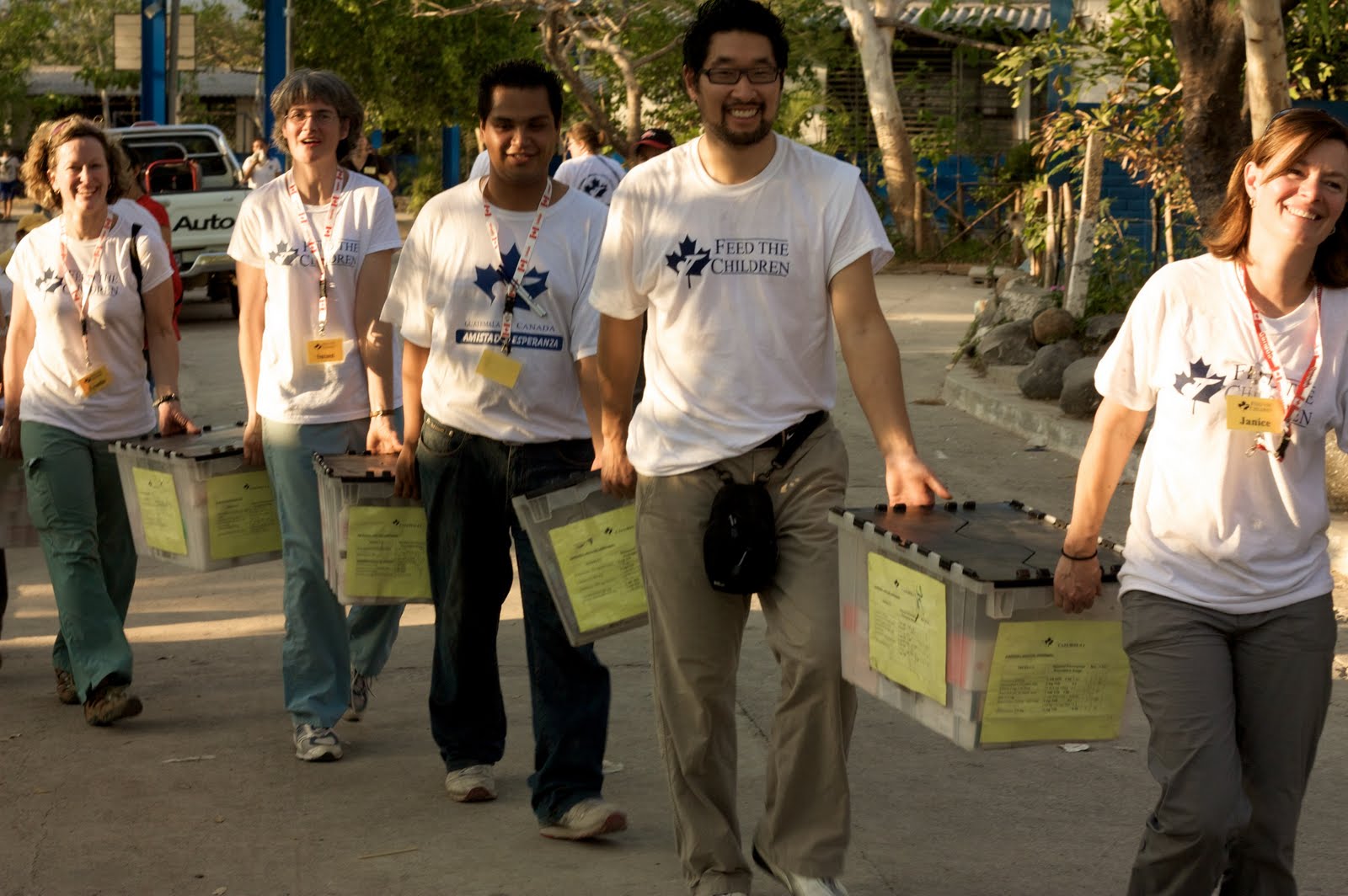 The medical/dental needs in Central America are everywhere and unlimited opportunities to share our expertise are welcomed in several countries. Since 2007 we have taken teams to Honduras, Guatemala (2008), Nicaragua and El Salvador. In making the decision to return to Guatemala we talked to the people who partner with us in that country, reviewed recent events that have impacted the people there, including floods and earthquakes and looked carefully at the current political situation and safety factors. There was nothing to keep us from going to Guatemala and plans are under way for a team to be there November 6-14, 2010.
We are often asked if we have problems finding people for the team? No is the short answer. Since our first team to Honduras in 2007, our roster of medical professionals and other support staff has been growing. Our largest team, 30 strong, went to El Salvador in February 2010. This we have discovered, is a level at which we can operate efficiently.
Dr. Tony and I will be visiting Guatemala at the end of September to visit communities where the teams may visit and scout out suitable locations to run our clinics.
If you are a medical professional and would like to get involved please contact me at ken@ftccanada.ca. By the way, there's a good chance we may be in El Salvador, April, 2011.
Ken Dick, President
Thursday, April 29, 2010
MEDICAL-DENTAL TEAM IN EL SALVADOR
In December 2009, Dr. Tony Brown and I visited El Salvador to search out 5 communities that would benefit from the visit of an FTC Canada Medical-Dental Team planning a trip there for early February 2010. It was not difficult to determine where some of the greatest needs existed. Three communities had been impacted by heavy rains in November 2009 - rain so intense, over a short period of time, that it caused landslides. Landslides that killed!
 Many people lost their lives. In one community there was a vacant piece of land where once a house had stood. The large boulders rolling down the hill had destroyed the home, and two crosses erected on the vacant property were a reminder to the community that a grandmother and her young granddaughter were also crushed and killed.
Of the five communities we visited with our medical-dental team in February 2010, three of them had been traumatized by the landslides.
Our trip to El Salvador was a return visit, having spent a week there in October 2009 treating hundreds of people. One notable return visit was to a community of settlers in San Salvador, the capital. A poor community with homes made of whatever material was available, usually tin and cardboard and sometimes wood.
During our February trip over 4,000 people received primary medical attention and hundreds received restorative dental care.
This was our largest team ever – 30 Canadians, supplemented by local doctors and dentists.
Has it been a busy few months? It sometimes sounds trite, but it is true - “it’s what God has called us to do”. I am grateful to the medical and dental professionals and support staff that give of their time and contribute financially to make good things happen for people who otherwise have little or no access to medical and dental treatment; whether in Haiti under emergency conditions, or on a planned team visit to Central America.
Not forgetting, that we would be unable to assist those children and their families without the valuable partnership and support of our donors and prayer partners.
So, have the past several months been normal? Not really. But, we wouldn’t want it any other way. When children and families are being helped, we know God is pleased!
If you have any questions or comments, please get in touch with us.
Ken Dick, C.A.
President, FTC Canada
Thursday, April 22, 2010
MISSION IMPOSSIBLE: HAITI
“There is no possible way we can get into Haiti!”
That was my first response to the question posed by my contact at the Halton Emergency Medical Services immediately after the devastating January 12th earthquake hit one of the world’s poorest countries. From that moment on we worked hard to make, getting to Haiti, a priority.
Grant Rumford directs emergency medical services at the Mission Of Hope, Haiti, and on that day he was suddenly facing the biggest challenge of his paramedic life. Grant, his wife Sandra and their four children had just experienced their first earthquake – and survived. They escaped from their shaking upstairs apartment by rushing down the metal stairs at the side of the building. What would have been the end of a somewhat normal day at the mission became the beginning of endless days of medical emergencies.
Contact with Halton EMS personnel was to be expected – it’s where Grant worked until the Rumford family moved to Haiti last September. Knowing that their friend and co-worker was facing unimaginable emergency situations, their natural reaction was to find a way to assist him. When I received the call from Halton EMS, together we decided to ask Halton paramedics to indicate their interest in going to Haiti, which resulted in a greater number than we could accommodate in a “first response” team.
The team selected included ten Halton paramedics, one Peel Region paramedic, a pastor, and three doctors, counting Dr. Anthony Brown, FTC’s Medical Advisor. FTC Canada worked feverishly in an attempt to get the team to Haiti, as early responders were in short supply. In cooperation with the Canadian government (CIDA), a flight was secured out of Montreal. The team was on a bus from Guelph January 19th and departing for Haiti at 3:00AM, landing in Port-au-Prince at 8:30AM on the 20th, just hours after a significant 6.1 aftershock; we were in the heart of the disaster.
You can read blog entries from our time there but we were mostly working in middle of Port-au-Prince at the University Hospital. Out team treated hundreds of patients in pre and post-op care – broken bones, severed limbs, lacerations, punctured lungs ... the extent of which I have never seen in over 30 years of working with relief agencies.
After 8 days on the ground we departed for home on a C-17 Canadian military flight, exhausted but satisfied that we had made a difference coming to the aid of Haitians in crisis.
Back home and into the office was a world away from the disaster. It was time to get back to what we might call “normal activity”.
Ken Dick, C.A.
President, FTC Canada
That was my first response to the question posed by my contact at the Halton Emergency Medical Services immediately after the devastating January 12th earthquake hit one of the world’s poorest countries. From that moment on we worked hard to make, getting to Haiti, a priority.
Grant Rumford directs emergency medical services at the Mission Of Hope, Haiti, and on that day he was suddenly facing the biggest challenge of his paramedic life. Grant, his wife Sandra and their four children had just experienced their first earthquake – and survived. They escaped from their shaking upstairs apartment by rushing down the metal stairs at the side of the building. What would have been the end of a somewhat normal day at the mission became the beginning of endless days of medical emergencies.
Contact with Halton EMS personnel was to be expected – it’s where Grant worked until the Rumford family moved to Haiti last September. Knowing that their friend and co-worker was facing unimaginable emergency situations, their natural reaction was to find a way to assist him. When I received the call from Halton EMS, together we decided to ask Halton paramedics to indicate their interest in going to Haiti, which resulted in a greater number than we could accommodate in a “first response” team.
The team selected included ten Halton paramedics, one Peel Region paramedic, a pastor, and three doctors, counting Dr. Anthony Brown, FTC’s Medical Advisor. FTC Canada worked feverishly in an attempt to get the team to Haiti, as early responders were in short supply. In cooperation with the Canadian government (CIDA), a flight was secured out of Montreal. The team was on a bus from Guelph January 19th and departing for Haiti at 3:00AM, landing in Port-au-Prince at 8:30AM on the 20th, just hours after a significant 6.1 aftershock; we were in the heart of the disaster.
You can read blog entries from our time there but
 we were mostly working in middle of Port-au-Prince at the University Hospital. Out team treated hundreds of patients in pre and post-op care – broken bones, severed limbs, lacerations, punctured lungs ... the extent of which I have never seen in over 30 years of working with relief agencies.
After 8 days on the ground we departed for home on a C-17 Canadian military flight, exhausted but satisfied that we had made a difference coming to the aid of Haitians in crisis.
Back home and into the office was a world away from the disaster. It was time to get back to what we might call “normal activity”.
Ken Dick, C.A.
President, FTC Canada
Saturday, February 13, 2010
LANDED! WE ARE FINALLY HERE!
 The FTC Canada medical-dental team arrived at Pearson Airport around 7:00 am this morning. For the veterans, it was a time to reconnect with friends they hadn't seen since the last trip. The first timers nervously fidgeted, wondering what they'd gotten themselves into as the reality of what we were all about to do truly began to sink in.
Over the course of the next week, we'll conduct five 1-day medical clinics in the impoverished communities in and around San Salvador. We'll provide on-the-ground medical and dental care to thousands of El Salvadorans, many of whom have never seen a doctor. We'll set-up the clinic in the morning and tear it down again at dark. And then, we'll do it all over again the next day in a different village, for different people facing the same life challenges.

This is a group of incredibly committed doctors, dentists, dental assistants, paramedics, nurses and pharmacists, ably supported by several "non-medical" volunteers who will toil behind the scenes. Our team of 30 was met today at the San Salvador airport by local FTC staff who have been hard at work for months planning, hauling equipment and supplies and engaging the communities we'll visit. They will also be our translators as we interact with hundreds of Spanish-speaking patients every day. All in all, we'll number nearly 50 as we start the week.
Our trip is particularly timely as many of the areas we'll visit were devastated by heavy rains, floods and landslides in November. Entire villages, homes, bridges and lives were washed away leaving little behind but mud and debris. We'll provide care for families who have lost everything.

The real work begins the following day as we travel an hour outside the city to conduct our first clinic. The team is energized, excited and ready for an exhausting, an emotional and, if all goes well, a profoundly rewarding experience. We will do our best to share it all with you through daily posts here.
But right now, there are 60,000 vitamins stored in the bathtub of a hotel room downstairs just waiting to be counted into bags of 30! And so it begins....
 Tim Fallis
 is a "first timer" as noted and was invited to join the team by FTC Canada President Ken Dick. Tim is part of the support team and will also be updating the FTC Canada blog from El Salvador including posting his own photos. Tim is the President of Black Rock Marketing Group in Toronto.
HAITI TO EL SALVADOR
It’s not easy to change gears. Another FTC team of medical and dental professionals is heading for El Salvador. Some of our team, including Dr. Tony Brown, Dr. Paul Puckrin, and a couple of paramedics just accompanied me to Haiti exactly one week after a 7.0 earthquake struck Port-au-Prince. Now these Haiti responders are heading out yet again to offer primary care to children and families in Central America. We simply can not forget that even in times of disasters the medical and dental needs for children continue in other needy countries.
This is the fifth trip to Central America for our team, the second in a row to El Salvador. Dr. Tony and I went to El Salvador in December to scout out communities that would benefit from our support. What we found were several communities that had been tragically affected by the November 2009 floods and landslides. The unfortunate outcome of those mini-disasters was many deaths and the loss of numerous homes. It’s to these communities we will be taking medical and dental treatment; dispensing medicines and food and clothing.
In comparing this team with previous missions, it turns out to be the largest we have organized. Thirty (30) of us will depart from Toronto on Saturday February 13 to the capital city of San Salvador. Six of the team are making this journey for the first time. Our expertise base has expanded significantly with the addition of specialists in skin diseases and a dentist who will perform root canals.
I would encourage you to watch the blog over the next week as we report from El Salvador. We plan to post daily reports on our activities and provide a look into our day through the lens of team member Tim Fallis.
Our team members all agree that what we accomplish in El Salvador during this coming week is only possible through the support of caring partners like you. Thank you for your prayers and for your financial support.
On behalf of the entire team,
Ken Dick, President
Monday, February 1, 2010
DOCTORS RETURN HOME FROM HAITI
Updated Feb 3, 2010
 FTC Canada Medical Advisor, Dr. Anthony Brown and co-worker Dr. Paul Puckrin are featured in this brief article as they return from Haiti.
The other link will take you to a story and additional videos posted at YouTube. The link below features the Halton paramedics and FTC Canada President, Ken Dick.
CLICK HERE to read article featuring the doctors
CLICK HERE to see YouTube video

The other link will take you to a story and additional videos posted at YouTube. The link below features the Halton paramedics and FTC Canada President, Ken Dick.
CLICK HERE to read article featuring the doctors
CLICK HERE to see YouTube video
Thursday, November 5, 2009
Medical-Dental Teams - El Salvador 2010
Plans are well underway for a return visit to
Our largest team ever (30 people) will leave on Saturday, February 13 and spend the following week treating up to 3,500 patients with primary medical and dental care. Based on a survey in early December by Dr.
This team will consist of six doctors and four dentists, aided by paramedics, nurses, dental assistants, a pharmacist and several support staff. In addition, we will be joined by some of the Feed The Children staff based in
Over the next couple of months there will be a lot of activity – shipping a container from Guelph; purchase of medicines; arranging accommodation for the team; arranging in-country transportation and a number of other logistical things.
This will be our fifth project since we first went to
Subscribe to:
Posts (Atom)


 Posts

